Archives
- 2026-07
- 2026-06
- 2026-05
- 2026-04
- 2026-03
- 2026-02
- 2026-01
- 2025-12
- 2025-11
- 2025-10
- 2025-09
- 2025-03
- 2025-02
- 2025-01
- 2024-12
- 2024-11
- 2024-10
- 2024-09
- 2024-08
- 2024-07
- 2024-06
- 2024-05
- 2024-04
- 2024-03
- 2024-02
- 2024-01
- 2023-12
- 2023-11
- 2023-10
- 2023-09
- 2023-08
- 2023-07
- 2023-06
- 2023-05
- 2023-04
- 2023-03
- 2023-02
- 2023-01
- 2022-12
- 2022-11
- 2022-10
- 2022-09
- 2022-08
- 2022-07
- 2022-06
- 2022-05
- 2022-04
- 2022-03
- 2022-02
- 2022-01
- 2021-12
- 2021-11
- 2021-10
- 2021-09
- 2021-08
- 2021-07
- 2021-06
- 2021-05
- 2021-04
- 2021-03
- 2021-02
- 2021-01
- 2020-12
- 2020-11
- 2020-10
- 2020-09
- 2020-08
- 2020-07
- 2020-06
- 2020-05
- 2020-04
- 2020-03
- 2020-02
- 2020-01
- 2019-12
- 2019-11
- 2019-10
- 2019-09
- 2019-08
- 2019-07
- 2018-07
-
The potential off target activity of
2020-05-15
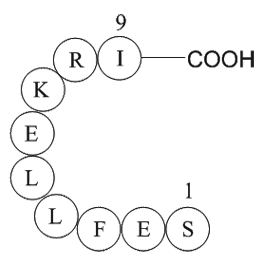
The potential off-target activity of against other ATP-dependent enzymes, such as kinases, was also investigated. Encouragingly, there was no significant inhibition of ATP binding to 97 human kinases, when was evaluated at 10μM within a DiscoveRx scanEDGE® kinome screen (, ). All together, these dat
-
While apparent that His Artemis fractionated over
2020-05-15

While apparent that [His]6-Artemis fractionated over a HAP column is devoid of 5′–3′ exonuclease activity but still retains DNA-PK dependent hairpin-opening activity, we sought to further assess DNA-PK dependent Artemis overhang cleavage activity to ensure all the in vivo, intrinsic enzymatic activi
-
SB505124 The combination of brequinar and fluorouracil FU ha
2020-05-15

The combination of brequinar and 5-fluorouracil (5-FU) has been evaluated to assess whether brequinar-induced uridine depletion would improve 5-FU activity. In cells, 5-FU is metabolized into FdUMP and inhibits thymidylate synthetase, which catalyzes the formation of thymidine monophosphate from deo
-
In rats exposed to day of nicotine withdrawal
2020-05-15
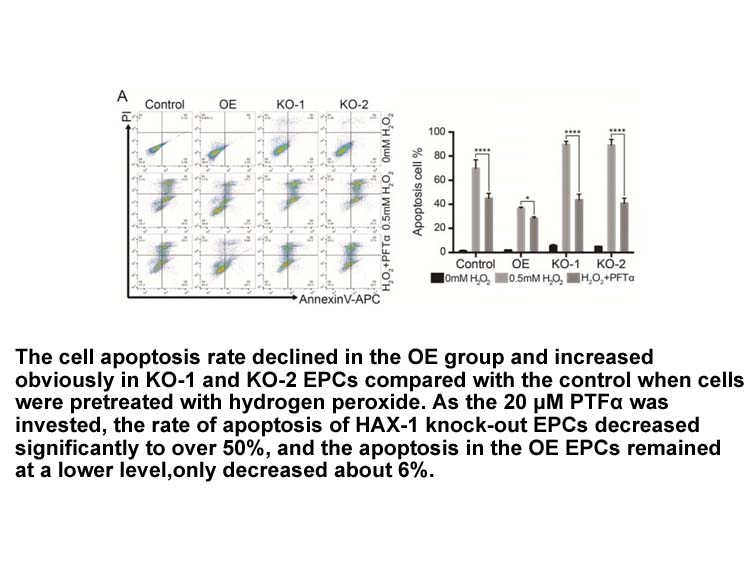
In rats exposed to 1 day of nicotine withdrawal (24 h after the last nicotine administration) we expected a decrease of general locomotor activity and a decrease of global striatal dopamine release, which were assessed in a previous study following 14 days of nicotine exposure and 24 h of nicotine w
-
We found all cases to
2020-05-15
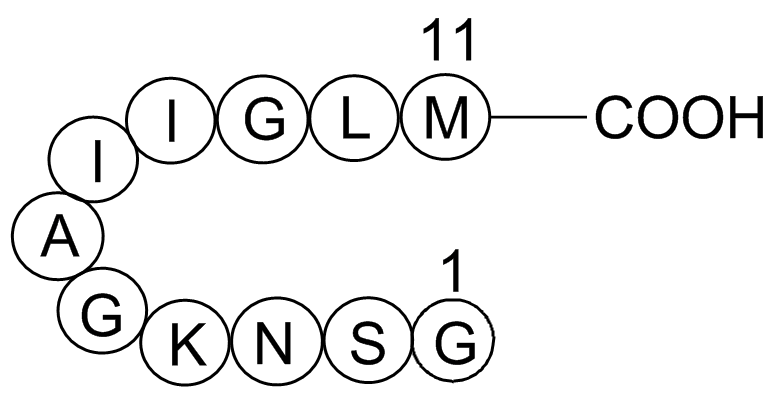
We found all cases to show at least some IGF-1R expression by immunohistochemistry. This is consistent with its ubiquity at the mRNA or protein level in ES/PNET cell lines or clinical samples as shown by others.12, 14 Evidence that IGF-1R expression is required for EWS-FLI1 transformation of mouse f
-
In our xenograft study Fig Fig we observed
2020-05-14
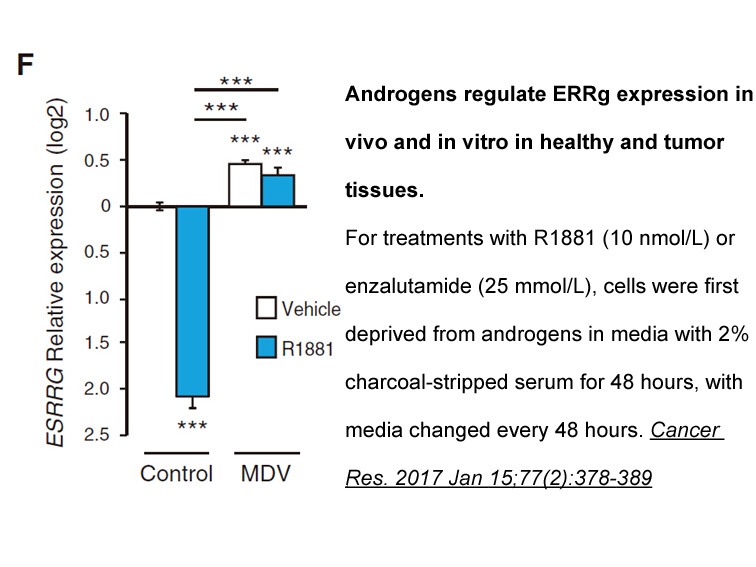
In our xenograft study (Fig. 7, Fig. 8), we observed that DYD acts very similarly to progesterone; the initial faster tumor growth in the PGRMC1-transfected MCF7 tumor was not significant compared with that with progesterone, in Gemfibrozil to the greater tumor growth observed with norethisterone.
-
Our earlier experimental studies showed neutral i e non
2020-05-14
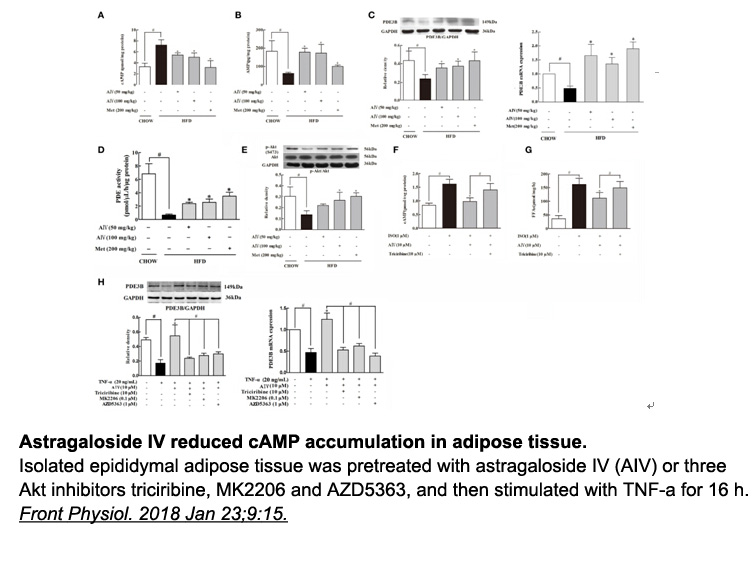
Our earlier experimental studies showed \"neutral\", i.e. non-proliferative, effects of progesterone but a large increase in proliferation using certain progestins; however, this was only in the presence of PGRMC1 [[13], [14], [15], [16], [17], [18], [19]]. The next step was to investigate whether t
-
CXCR is not only critical in
2020-05-14
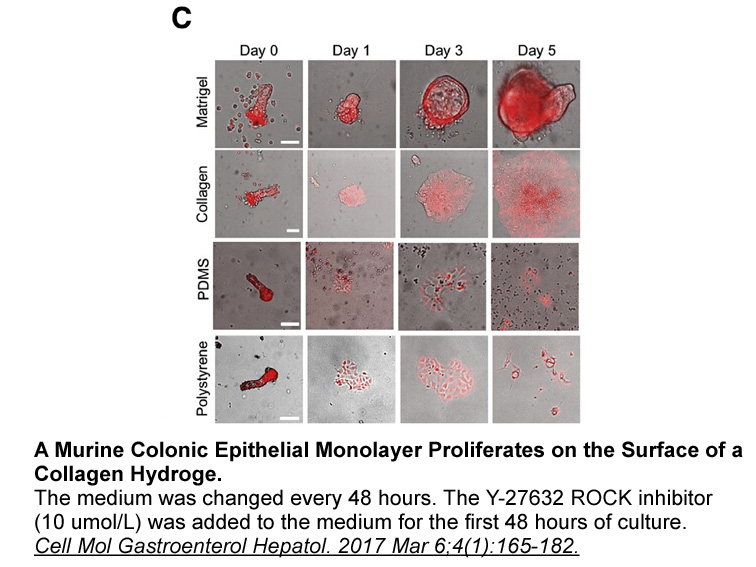
CXCR5 is not only critical in the B cell lineage in FL. A high proportion of CXCR5-expressing follicular helper T cells (TFH) were observed in FL but not in closely related DLBCL [141] and further investigation revealed that FL regulatory T cells (Tregs) used a CXCL13-CXCR5 autocrine loop for positi
-
Indeed a significant difference was observed for the binding
2020-05-14
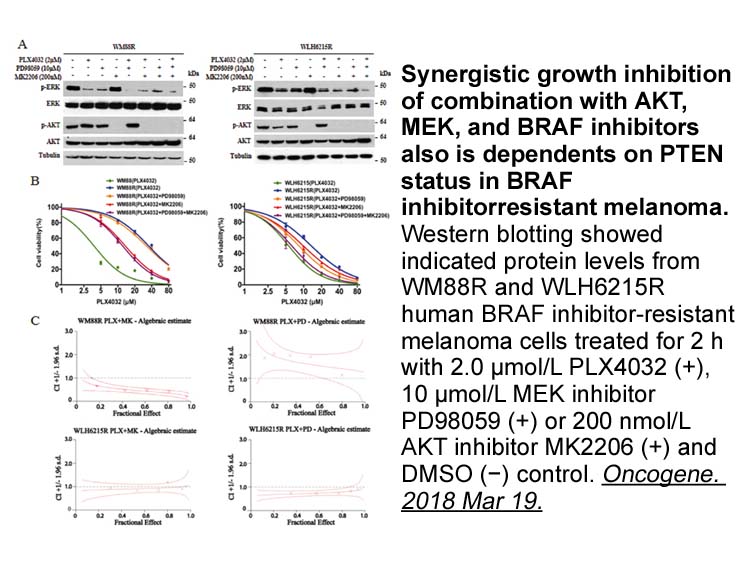
Indeed, a significant difference was observed for the binding of glycated α-synuclein. Thus, g-α-synuclein bound to other part of GAPDH in 4 of 10 simulations (Fig. 2F, brown, yellow and dark-green chains, and Fig. 2G, brown chain). This additional binding site is located on the interface between O
-
IFN-alpha 1, human recombinant protein Table shows all AP co
2020-05-14
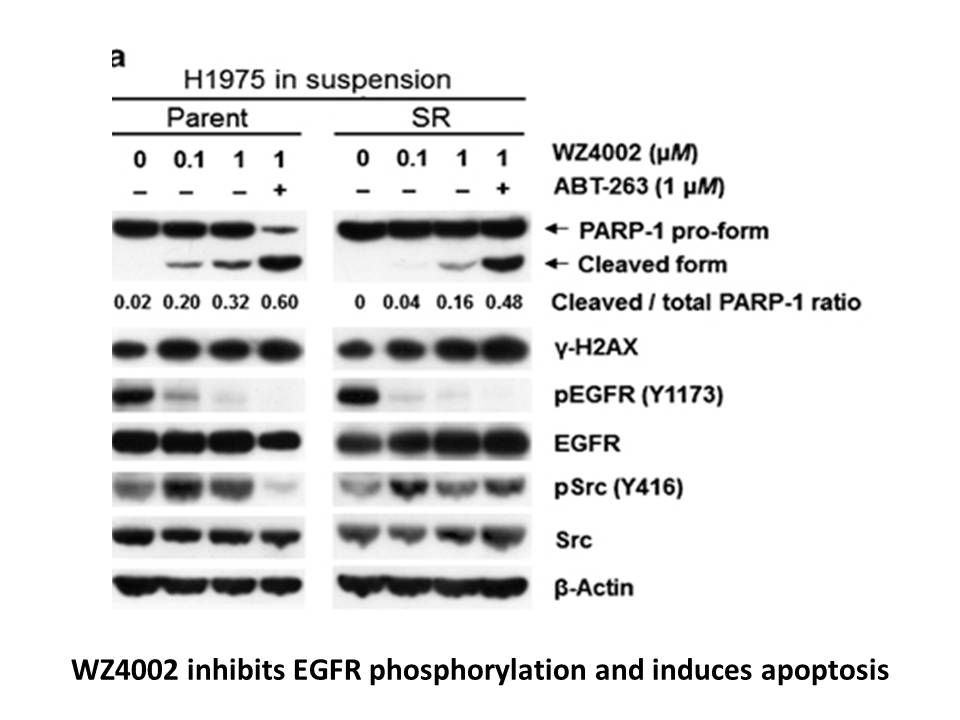
Table 5 shows all AP courses taken by participants, in descending order with respect to percentage of higher-order keywords. Table 5 also includes t-tests of mean differences for average CPA exam scores of participants who have taken (vs. not taken) AP courses (AP_ENGAGE), and average CPA exam score
-
Partial suppression of the cot ts
2020-05-14

Partial suppression of the cot-1 (ts) phenotype by deletion of gul-1 has been well documented (Seiler et al., 2006). This is now also very clearly evident in the transcriptional profile of the various strains (Fig. 2). Furthermore, the comparative analysis of the single and double mutants revealed,
-
br Development of the double strand break repair
2020-05-14
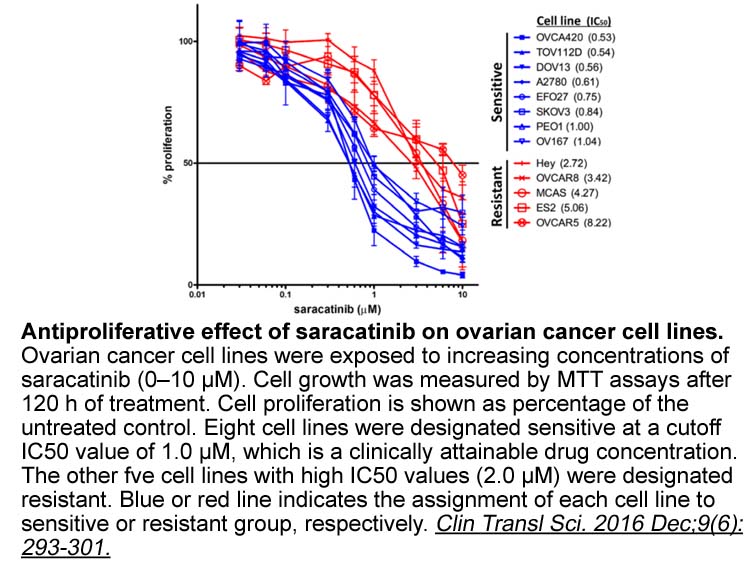
Development of the double strand break repair model for meiotic recombination Meiotic recombination was first described by Frans Alfons Janssens using Zotarolimus in the salamander Batracoseps attenuatus in 1909 [21] and then further elaborated at the genetic level in Drosophila by Thomas H. Mor
-
DNA methylation is associated with transcriptional silencing
2020-05-14
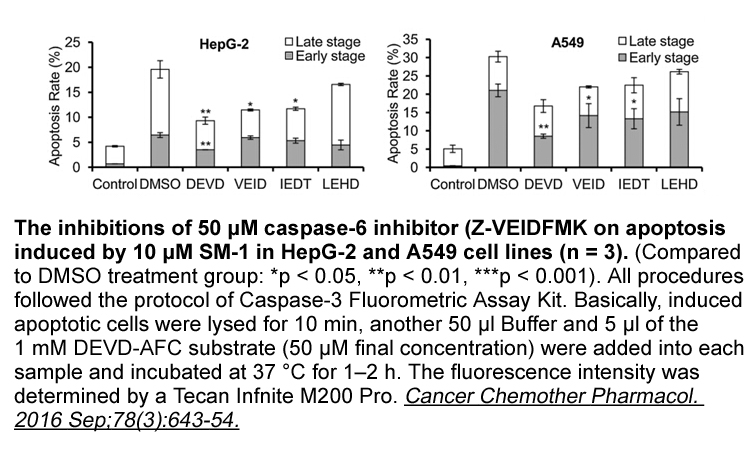
DNA methylation is associated with transcriptional silencing of tumor suppressors or other genes important for normal cellular function and plays an important role in the development of cancer and other diseases (such as breast and colorectal cancers) [19]. DNA methyltransferases (MTases) are a fami
-
br Acknowledgments Studies in the Tomkinson laboratory on DN
2020-05-14

Acknowledgments Studies in the Tomkinson laboratory on DNA ligase III are supported by research grants from the National Institutes of Health (P01 CA92584 and ES12512 to AET), a grant from the V Foundation and the University of New Mexico Cancer Center. Introduction Ionizing radiation (IR) as
-
Given the importance of cysteine cathepsin
2020-05-13
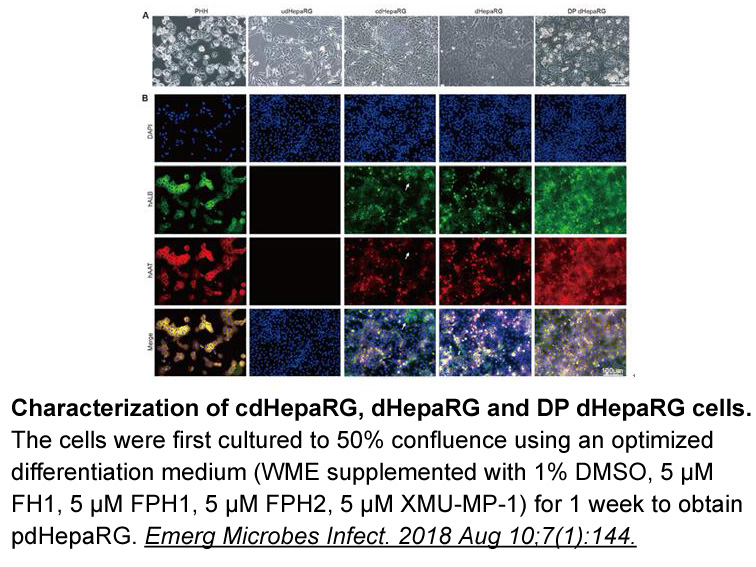
Given the importance of cysteine cathepsin inhibitors as putative therapeutic molecules and microbial virulence factors, we chose to investigate whether Yersinia enterocolitica may be a potent producer of such inhibitors. Y. enterocolitica is the most heterogeneous species within the genus Yersinia.
15609 records 894/1041 page Previous Next First page 上5页 891892893894895 下5页 Last page