Archives
- 2026-07
- 2026-06
- 2026-05
- 2026-04
- 2026-03
- 2026-02
- 2026-01
- 2025-12
- 2025-11
- 2025-10
- 2025-09
- 2025-03
- 2025-02
- 2025-01
- 2024-12
- 2024-11
- 2024-10
- 2024-09
- 2024-08
- 2024-07
- 2024-06
- 2024-05
- 2024-04
- 2024-03
- 2024-02
- 2024-01
- 2023-12
- 2023-11
- 2023-10
- 2023-09
- 2023-08
- 2023-07
- 2023-06
- 2023-05
- 2023-04
- 2023-03
- 2023-02
- 2023-01
- 2022-12
- 2022-11
- 2022-10
- 2022-09
- 2022-08
- 2022-07
- 2022-06
- 2022-05
- 2022-04
- 2022-03
- 2022-02
- 2022-01
- 2021-12
- 2021-11
- 2021-10
- 2021-09
- 2021-08
- 2021-07
- 2021-06
- 2021-05
- 2021-04
- 2021-03
- 2021-02
- 2021-01
- 2020-12
- 2020-11
- 2020-10
- 2020-09
- 2020-08
- 2020-07
- 2020-06
- 2020-05
- 2020-04
- 2020-03
- 2020-02
- 2020-01
- 2019-12
- 2019-11
- 2019-10
- 2019-09
- 2019-08
- 2019-07
- 2018-07
-
During the host response to inflammation inflammatory mediat
2021-04-06
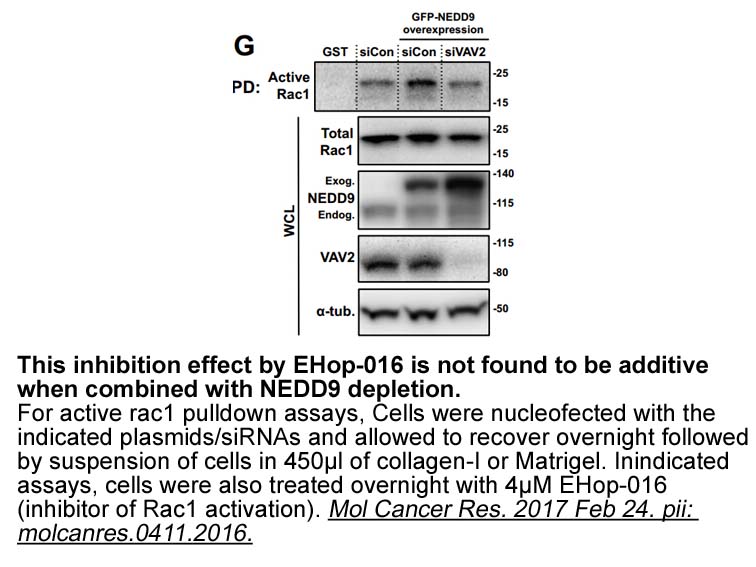
During the host response to inflammation, inflammatory mediators, including release of pro-inflammatory cytokines, have been associated with altered content, expression, and activity of CYP450 enzymes, consequently leading to alterations in the metabolism and elimination of certain drugs. The losses
-
EBI and its ligand s EBI was found in a
2021-04-06

EBI2 and its ligand(s) EBI2 was found in a screen of upregulated genes in human B cells upon infection with EBV [1]. EBI2 is a G-protein (Gαi type) coupled receptor [2] but as long as 18 years after its discovery the nature of its ligand remained undisclosed. With the help of transfected cell lines
-
br Experimental Procedures br Author
2021-04-06
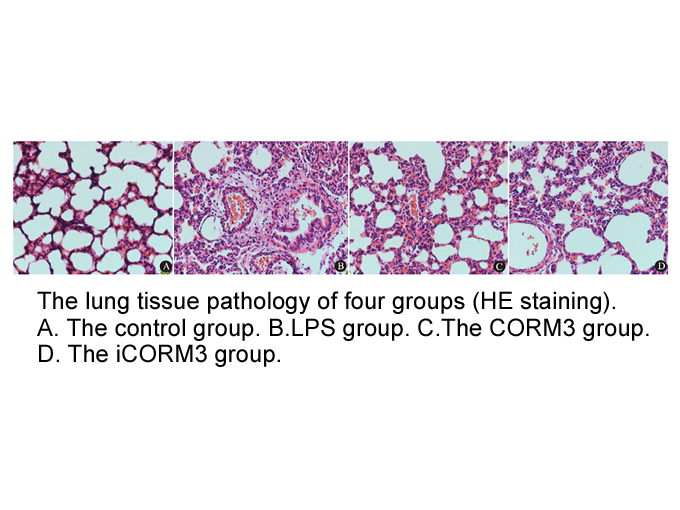
Experimental Procedures Author Contributions Acknowledgments Introduction Breast cancer is one of the most common malignancies for women worldwide, representing approximately 22% of women’s malignancies that pose a threat to women’s health [[1], [2], [3], [4]]. The morbidity rate of brea
-
Previous in vitro studies have demonstrated
2021-04-06
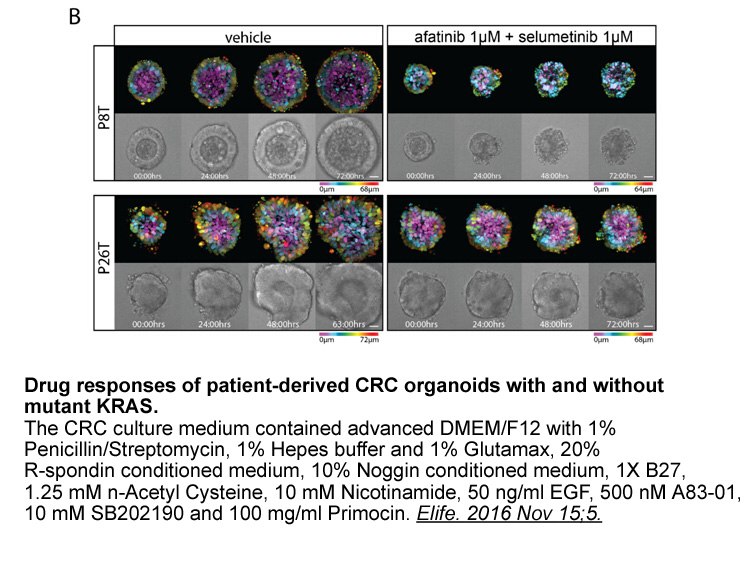
Previous in vitro studies have demonstrated that DNA-PK-deficient cell line (MO59J) is approximately 30-fold more sensitive to radiation than DNA-PK-proficient cell line (MO59K) [31]. Moreover, specific DNA-PK inhibitors SU11752 and wortmannin have been shown to sensitize GBM casein kinase 2 (MO59K
-
There are a few visible DNA staining
2021-04-06
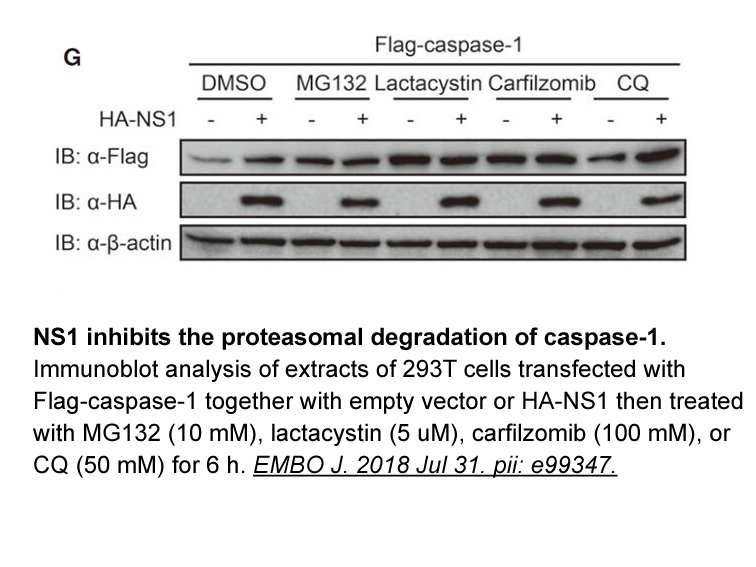
There are a few visible DNA staining methods, which use dyes such as methylene blue, brilliant cresyl blue [7], crystal violet [8], Nile blue [9], [10] and ethyl violet [11]. However, although safe, these methods require long staining times, lack sensitivity and are not specific for nucleic acids.
-
Herein we designed a strategy utilizing the target protectio
2021-04-06
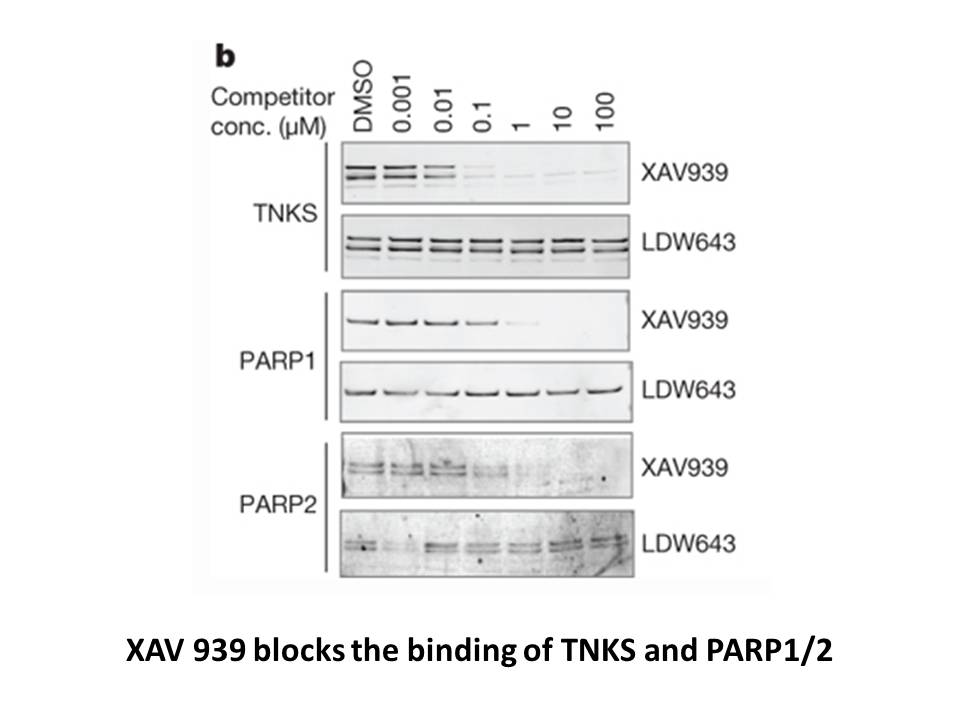
Herein, we designed a strategy utilizing the target-protection method to produce a signal in a system involving fluorescence CuNPs stabilized by dumbbell template DNA (DT DNA) through a locked circle consisting of two poly T loops and a poly (ATTA) stem. In the presence of MTase, DT DNA was modified
-
Numerous studies have pointed to the DGAT reaction being
2021-04-06
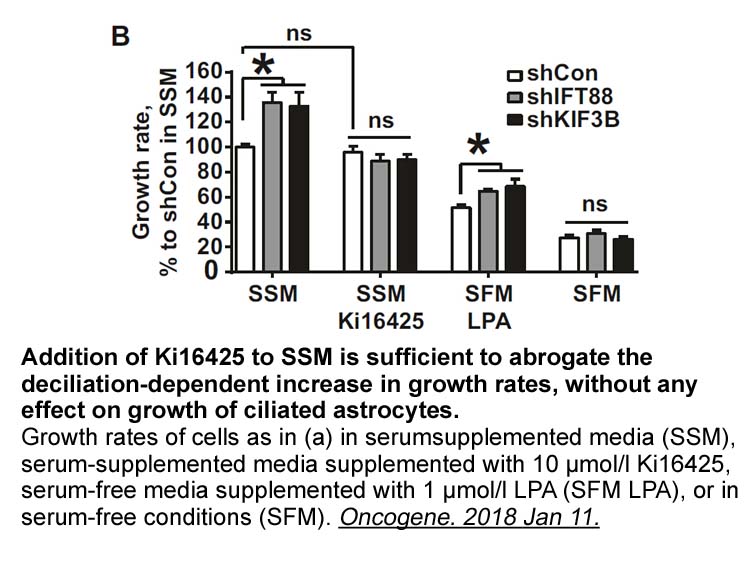
Numerous studies have pointed to the DGAT reaction being critical for TAG assembly and in several cases it has been shown to limit carbon flux from lipid precursors towards TAG accumulation [12]. Thus, in Brassica napus, the DGAT substrate, diacylglycerol (DAG), accumulates during periods of rapid l
-
The methods used for cytokine analysis such as ELISA or
2021-04-06
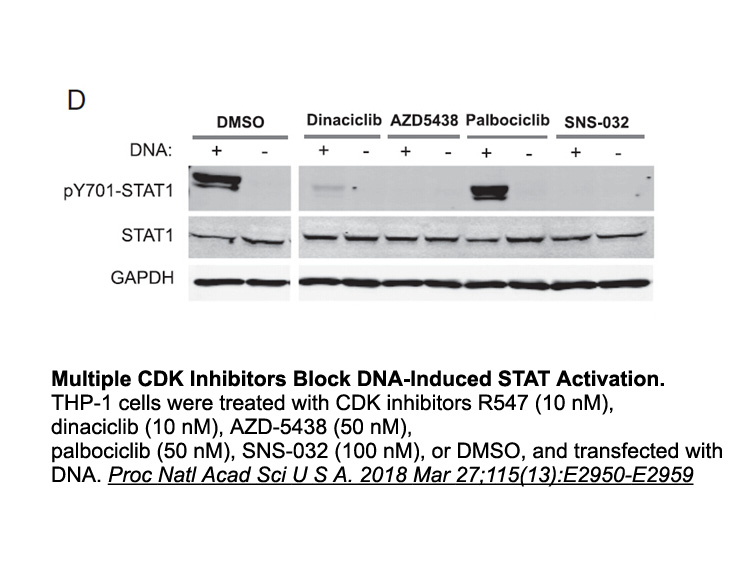
The methods used for cytokine analysis, such as ELISA or multiplex systems could also influence the concentrations of cytokines analysed. It is therefore crucial to use the same lot of the multiplex analysis kit to make such a comparison [21]. In our study, we ensured that the analysis was performed
-
The CysLT receptor antagonist BayCysLT RA significantly supp
2021-04-06
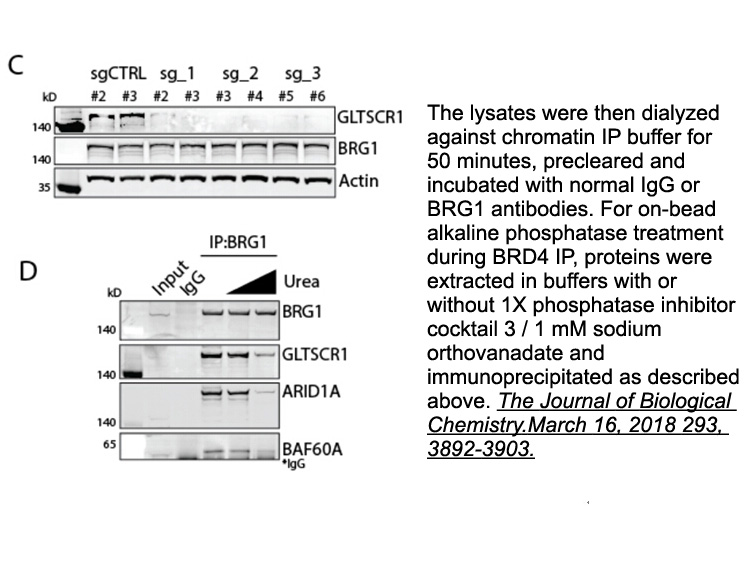
The CysLT2 receptor antagonist BayCysLT2RA significantly suppressed multiple antigen challenge-induced infiltration of eosinophils and mononuclear wst-1 into the lung, indicating that CysLT2 receptor activation is involved in leukocyte migration. In contrast to the present finding, Barret et al. [2
-
br Conclusion In vivo pharmacokinetic studies showed
2021-04-06
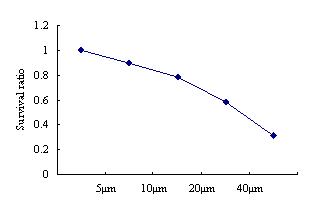
Conclusion In vivo pharmacokinetic studies showed that dasatinib monohydrate pretreatment significantly decreased the blood level of CsA in rats, which was most probably due to the induction of CYP3A2 isoenzymes. The nilotinib pre-treatment had no significant effects on cyclosporine pharmacokinet
-
br Experimental section br Results br Discussion In our
2021-04-06
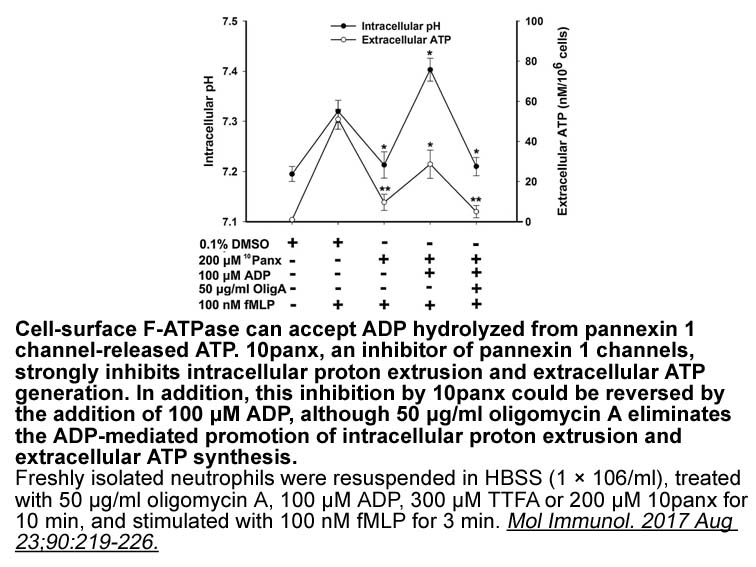
Experimental section Results Discussion In our previous work (Rashidi et al., 2018) we isolated a novel glucarpidase whose raised tsa reviews did not cross-react with the one in clinical use. In principle, therefore, it would be possible to delay the production of antibodies in a patient by
-
order ridaforolimus br In order to determine the physiologic
2021-04-02
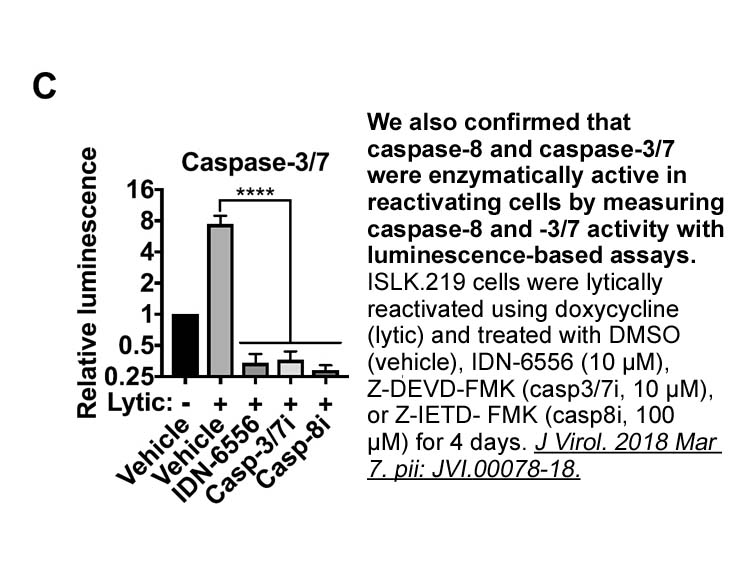
In order to determine the physiological roles of WT (wild type) EWSR1, Dr. Lee's group established a conventional Ewsr1 KO mouse [38]. Since then, the Ewsr1 KO (−/−) mouse model has successfully been utilized to decipher many important in vivo roles of EWSR1 (Fig. 1). EWSR1 deficiency alters mi
-
The interferences between thapsigargin and forskolin induced
2021-04-02
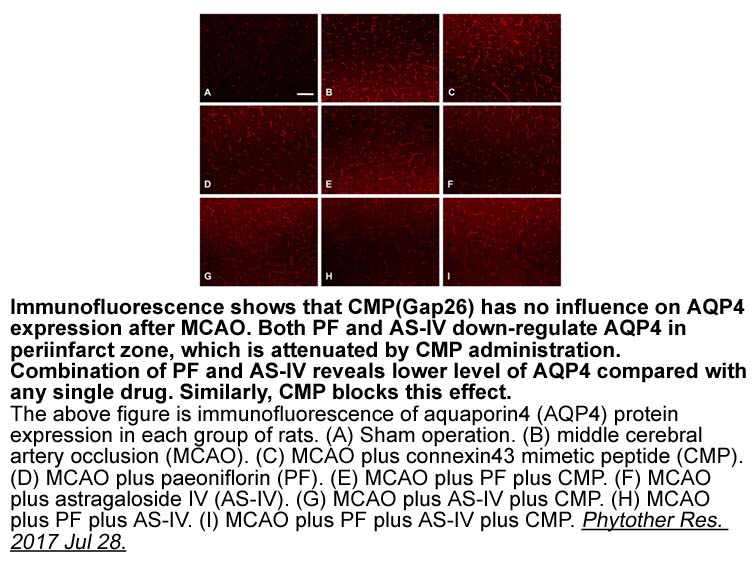
The interferences between thapsigargin- and forskolin-induced Ca release indicate that these drugs deplete the same intracellular stores in RASMC. In fact, after partial depletion of thapsigargin-sensitive stores, the forskolin-induced increases in [Ca]c were significantly reduced. Similarly, a prev
-
To identify and characterize new possible molecular targets
2021-04-02
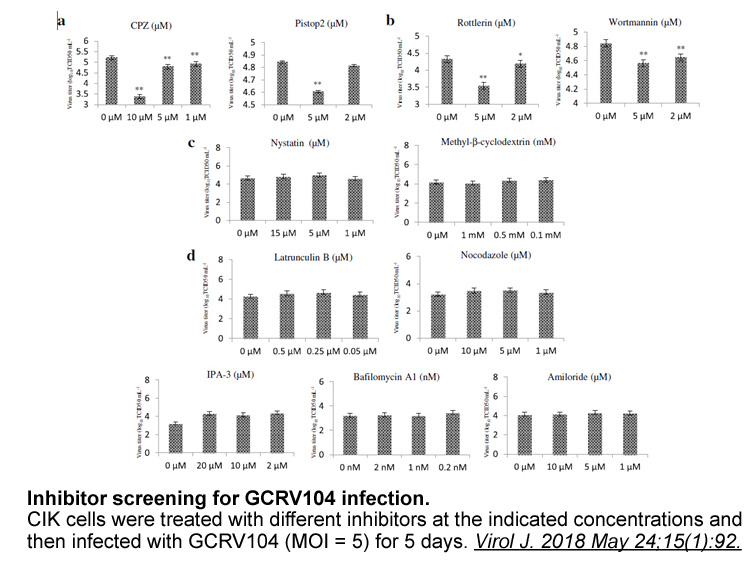
To identify and characterize new possible molecular targets, the mechanisms of various kinds of TCDD toxicities that occur by abnormal regulation in the downstream of AhR signals have been studied (Yoshioka et al., 2011). Experimental evidence has revealed that prostanoids (i.e., prostaglandins and
-
The eNOS bp VNTR polymorphism has been
2021-04-02
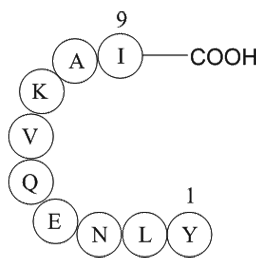
The eNOS 27-bp VNTR polymorphism has been found to be associated with altered plasma NO levels. This polymorphism also has been associated with many vascular diseases including hypertension, diabetic retinopathy, and diabetic nephropathy in various populations. Notably, our results were different fr
15609 records 729/1041 page Previous Next First page 上5页 726727728729730 下5页 Last page